Showing Posts From
Organizations
 Rolf Schutten
- 26 Aug, 2026
Humanizing change to build better organizations
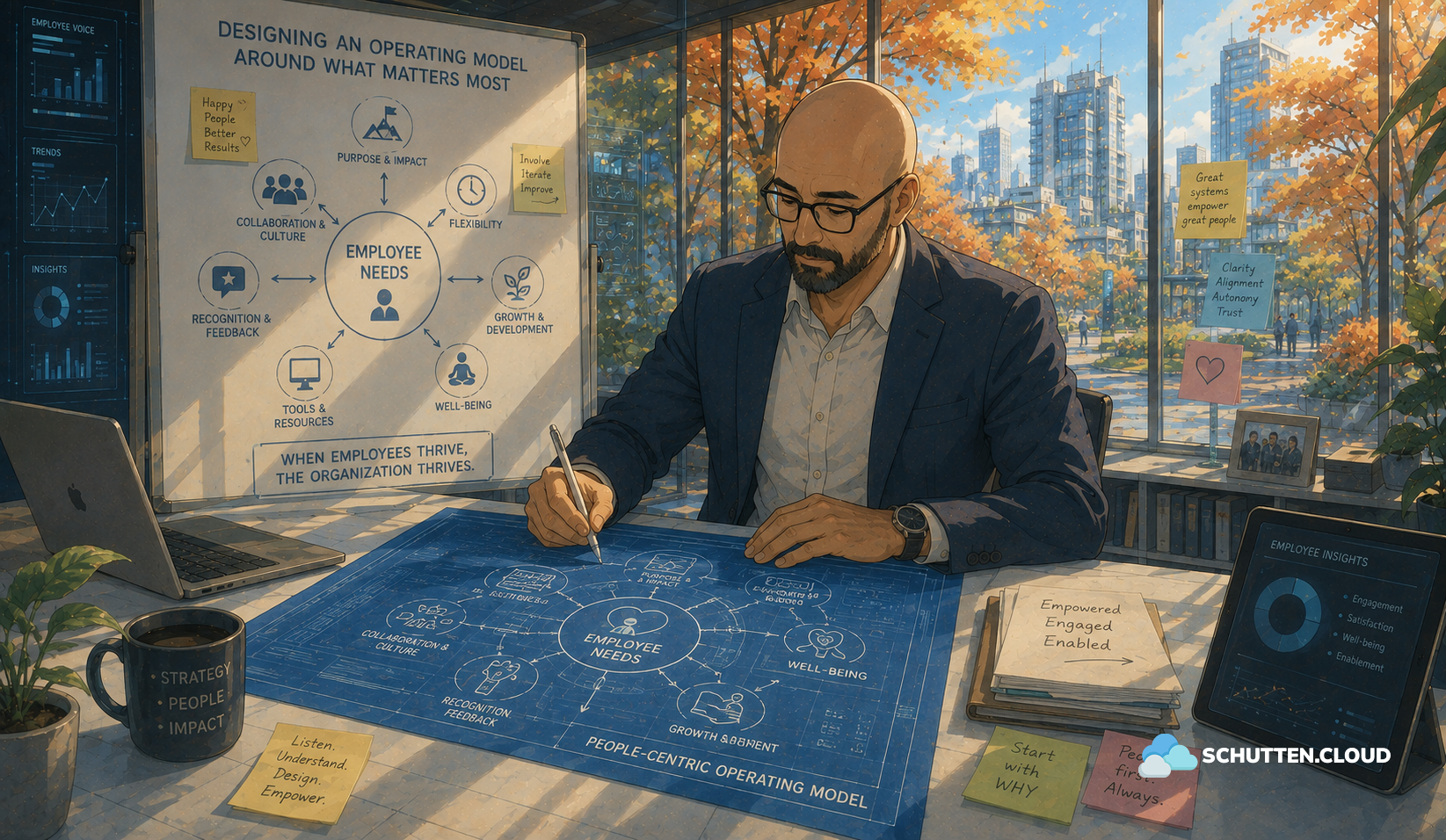
Experiencing major unexpected changes in your career can be a frightening experience, especially when you are young and just starting out in the professional world. Early in many people's careers, there comes a moment when the stability of a company suddenly disappears. Imagine starting a new job at a historic airline that has spent decades helping millions of people travel across the world. Suddenly, the company declares bankruptcy, and everyone in the office realizes that difficult decisions are coming. The atmosphere becomes heavy with anxiety because saving the business requires hard choices, including laying off many dedicated employees. It is painful to think about saying goodbye to colleagues who have devoted their entire working lives to one organization. During such a crisis, external advisers and coaches are often brought in to guide leadership through the emotional and operational process. In one memorable meeting, an adviser asked a question that shocked everyone in the room. He asked the leadership team to consider what would happen if being laid off was actually a good thing for every person who lost their job. At first, this idea sounded completely unreasonable. For anyone living paycheck to paycheck, losing a job brings immediate fears about paying rent, covering utility bills, buying groceries, and maintaining health insurance. It creates deep worry about future career opportunities and personal stability. However, keeping an open mind allowed people to listen to the actual research behind workplace transitions. The adviser had tracked hundreds of laid-off employees over several years to see what happened to their lives after leaving the company. The data revealed that, in most cases, losing a job was actually a blessing in disguise. It forced people out of comfortable routines and career ruts that no longer challenged them. With the help of severance packages, supportive professional networks, and career coaching, these individuals pushed themselves to try completely new directions. Many found new positions that accelerated their career growth, while others went back to college, learned valuable technical skills, or started their own successful businesses. Learning about this research creates a powerful shift in perspective. It leads to a fundamental belief that change, even when forced upon us, can bring positive outcomes if we remain patient and curious. When unexpected events happen, instead of asking why something bad is happening to us, we can choose to ask what opportunity the situation is creating for us. This mindset becomes especially valuable when leading organizations through major transformations, where uncertainty is constant and human emotions run high. Understanding the biological fear of uncertainty Leading organizational transformations across different industries shows that change is happening faster and becoming more complex than ever before. Whether working with global manufacturers restructuring their workforce, mining companies on the edge of financial failure, or essential grocery chains during global health crises, one truth remains clear. Change is continuous, and it is not going away. Yet, despite its frequency, the vast majority of people dislike change and actively try to avoid it. This resistance is not simply a negative attitude or a lack of discipline. Human beings are biologically built to resist change and uncertainty. The human brain is designed to seek safety and avoid potential threats in order to ensure survival. Whenever a person encounters an unexpected or unfamiliar situation, the brain automatically identifies it as a potential danger. Before a person even has time to think logically, a small part of the brain called the amygdala triggers an immediate physical response by releasing stress hormones such as cortisol and adrenaline. To understand how this reaction works in daily life, consider a simple situation in nature. If you are walking through a forest and suddenly encounter a large bear, your brain immediately recognizes a life-threatening danger. Your body is instantly flooded with stress hormones, and your immediate physical reaction is to run away as fast as possible. However, running away from a wild animal is often the worst thing you can do, because it triggers the animal's natural instinct to chase you. To stay safe, you need to override your emotional panic, remain completely still, and rely on logical thinking rather than immediate impulse. A similar biological process happens in the modern corporate world. When a chief executive officer announces a sudden company merger, a major restructuring, or a new software system, employees experience the exact same chemical reaction in their brains as if they were facing a wild animal in the forest. Their bodies receive a wave of stress hormones, causing them to feel threatened, anxious, and defensive. This automatic response explains why nearly three-quarters of all corporate transformation programs fail to achieve their intended goals. When major changes are announced in the workplace, employees rarely respond with immediate excitement or open minds. Instead, their natural reaction is to list every possible reason why the initiative will fail. People often express skepticism by claiming that new strategies never work, or they silently choose to ignore the new rules in the hope that the initiative will eventually disappear. It does not matter how well a company plans its technical strategy if the humans involved are unconsciously working against it. Effective change management is fundamentally about helping people manage their biological fear response so they can use their intelligence and creativity to support the organization's growth. Moving beyond corporate metrics and financial goals To overcome this natural human resistance, business leaders must humanize the way they approach organizational transformation. Too often, companies focus entirely on structural adjustments, technology deployments, and project deadlines, completely forgetting about the emotional experience of the employees who must carry out the work. Humanizing change means placing the needs, motivations, and mental capacities of workers at the center of every strategic decision. One of the biggest mistakes corporate leaders make when communicating new strategies is relying entirely on financial language and executive metrics. Leaders frequently try to motivate their workforce by talking about increasing shareholder value, raising the company stock price, expanding profit margins, or hitting target bonuses. While these numbers are important to executive boards and investors, they fail to inspire the vast majority of everyday employees. Expecting frontline workers to feel passionate about corporate profit metrics ignores basic human psychology. Research conducted in behavioral science labs shows that people are motivated by very different internal drivers. When you study what truly inspires individuals to give their best effort at work, five main motivators consistently emerge. Everyone responds to these motivators to different degrees, but almost every person has one primary driver that influences their daily decisions and commitment. The first driver is personal achievement. Employees who are motivated by personal achievement care deeply about their individual career progression. They are energized by reaching clear career milestones, earning promotions, securing prestigious job titles, and being selected for high-profile projects that demonstrate their skills. The second driver focuses on customers. Workers who are driven by this motivation want to see how their daily effort directly impacts the real world. They care about the quality of the products or services their company provides and are energized by listening to user feedback so they can continuously improve the customer experience. The third driver revolves around team dynamics. People who are motivated by teams care intensely about their colleagues and the social environment of their workplace. Financial rewards alone will not keep these individuals in a company if they dislike their work environment. Conversely, if they feel supported by a strong and caring team, they will happily work late hours and overcome difficult challenges together to help their colleagues succeed. The fourth driver is community impact. Employees motivated by community need to know that their organization contributes positively to society. They look for companies that support social causes, participate in local charity initiatives, protect the environment, and actively work to make the world a better place. The fifth driver is financial outcomes. This motivator is straightforward and relates directly to monetary rewards. People driven by financial outcomes want to know exactly how a project or business performance will translate into higher wages, clear bonuses, and financial security for themselves and their families. When you survey a large group of employees across an organization, their primary motivators are usually divided quite evenly across these five categories. This means that if leadership only talks about corporate profit margins and executive bonuses, they are completely failing to connect with the majority of their workforce. By ignoring the drivers related to customers, team culture, personal growth, and community contribution, leaders leave most of his or her employees feeling uninspired and disconnected from the company's mission. Connecting company transformation to personal meaning To create a successful transformation, leaders must encourage employees to build their own personal change stories. A personal change story explains why an individual is personally motivated to support a new direction and why they are committed to seeing it through difficult times. When employees understand their own personal motivations and review them regularly, they can overcome their natural biological urge to resist workplace changes. A powerful example of this principle occurred during the turnaround of a large mining company that was just three months away from complete financial failure. The organization needed an immediate and drastic transformation to survive. During a strategy workshop with senior managers, one leader stood up to share his personal change story. He explained that he had grown up in severe poverty and knew firsthand how difficult life could be without financial security. Because of his background, he was deeply disturbed by the massive amount of wasted materials and inefficiency within the mining operations. This manager then connected the company's transformation plan directly to all five core motivators. He explained that if the turnaround succeeded, the business would attract essential investment from shareholders, satisfying the financial requirement. With that new capital, the company could purchase modern equipment to increase efficiency, allowing them to keep prices low for their customers. The increase in business stability would allow the company to raise worker wages, fulfilling personal achievement goals. Most importantly to him, the profits would allow the business to fund a local poverty reduction program in the surrounding community, while the improved operational stability would give internal teams more time to invest in learning and professional development. By the time the manager finished speaking, he was moved to tears, as were many of his colleagues in the room. In that single moment, the company's transformation shifted from a cold, numerical goal about saving money into a meaningful shared mission. Every employee in the room could see how their work connected to something larger than themselves. As a result, the entire organization united behind the plan, successfully turning the business into a profitable and stable enterprise. Modern technology makes it easier than ever for organizations to connect with employees on a personal level. By using communication platforms, automated tools, and thoughtful message segmentation, leadership can share news and updates that directly appeal to different employee motivators. For instance, workers who care deeply about team culture can receive updates highlighting collaborative achievements, while those motivated by community impact can receive stories about the company's environmental progress. Tailoring the message helps every employee stay reminded of why the change matters to them personally. Measuring cognitive load and managing team capacity Even when employees understand the purpose of a transformation and feel motivated to participate, leaders must remember that every individual has a different capacity to handle extra stress and work. A common mistake in corporate management is assuming that every employee possesses the exact same amount of energy, time, and emotional resilience. Organizations often manage major projects by using standard activity charts and assigning equal numbers of tasks to every team member, completely ignoring their individual circumstances. In reality, two employees sitting next to each other may have completely different ability levels to manage new responsibilities. One employee might have a stable personal life, high energy levels, and plenty of time to take on new challenges. Meanwhile, another employee might be experiencing severe personal stress, such as a painful divorce, a health issue, or family difficulties at home. Assigning the exact same workload to both individuals will inevitably cause the second employee to feel overwhelmed, leading to exhaustion, errors, and deep resentment toward the company. To prevent burnout and maintain steady progress during a transformation, organizations must regularly measure and manage cognitive load. Cognitive load refers to the total amount of mental effort and emotional energy required to perform a job effectively. It consists of two primary elements: capacity and confidence. Capacity relates to whether an employee has the actual time, physical energy, and material resources required to complete their assigned duties. Confidence relates to whether an employee truly believes in their personal ability to execute those duties successfully. If either capacity or confidence is lacking, the employee's cognitive load becomes dangerously heavy, making it nearly impossible for them to adapt to new workplace systems or expectations. Measuring cognitive load does not require complex or expensive tools. Leaders can gather valuable insight by asking employees to complete short, simple surveys on a regular basis. These surveys ask individuals how they are feeling emotionally, giving options such as feeling excited, tired, proud, or anxious. The survey then asks direct questions about their personal capacity, such as how effectively they are managing their balance between work and home life. Finally, it asks questions about their confidence, measuring how certain they feel about completing challenging tasks successfully. Gathering this information allows managers to make intelligent, human-centered adjustments across their teams. When the data shows that an employee has high confidence and extra capacity, managers can offer them new leadership opportunities, assign them complex projects, and help them advance their careers. Conversely, when the data reveals that an employee is struggling with heavy emotional stress or low confidence, managers can temporarily reduce their workload, adjust project deadlines, or provide extra support. Combining personal motivation with active capacity management creates a healthy workplace environment where change can actually succeed. When an employee experiences a dip in confidence or feels overwhelmed by new expectations, managers can step in with targeted support. A simple, encouraging note from a trusted leader or a brief reminder of the employee's personal change goals can help them regain their confidence. These small human interactions provide the support workers need to push through temporary difficulties and overcome their natural fear of uncertainty. Closing thoughts Navigating continuous change is one of the greatest challenges facing modern organizations, yet it also presents the greatest opportunity for long-term improvement. Success depends on recognizing that technological tools, strategic plans, and operational processes are only as effective as the people who run them. By understanding the biological reasons behind fear, connecting company goals to individual motivators, and actively protecting the mental capacity of employees, leaders can transform resistance into genuine commitment. Lasting organizational progress occurs when leaders stop fighting human nature and start designing change around the needs of their people.

- Rolf Schutten
- 24 Aug, 2026
Co-managed IT explained: who is really responsible?
Choosing how to run your IT infrastructure is one of the most important strategic decisions a business can make. However, many business leaders struggle with confusing terminology in the IT service provider landscape. Terms like co-managed IT, co-sourcing, fully managed services, and co-creation are often used incorrectly, leading to failed partnerships and unclear expectations. Understanding what these models actually mean, how responsibilities are divided, and how financial billing works is essential before signing any contract. The landscape of IT management models To make informed choices, business leaders must clearly distinguish between the different ways IT services can be delivered and organized. Under an insourcing model, a business handles all technology needs internally by hiring and managing its own personnel. Outsourcing, by contrast, transfers an entire process or department to an external provider who guarantees specific performance targets. Co-sourcing takes a staff augmentation approach by bringing in external personnel to work under your internal team's direction, adding temporary capacity without shifting operational control. Service delivery models also differ in scope and management approach. A standard managed service focuses on buying a specific functional outcome under a strict agreement, while remote managed services rely on software tools to monitor systems from a distance. Fully managed services go a step further by handing over complete operational responsibility for the entire IT environment to an external partner. Finally, co-managed IT involves an internal team and a provider managing a domain together, whereas co-creation focuses on jointly developing new digital products rather than managing existing systems. Deep dive into co-managed IT: what it is and what it is not Co-managed IT is often misunderstood in the service provider market, where it is frequently confused with buying extra staff or single software tools. In reality, a true co-managed setup is a joint operational partnership. Both the internal IT team and the external provider actively manage a specific domain together by sharing access to management platforms, support queues, and daily workflows. Both parties share equal accountability for system health, overall uptime, and cybersecurity. This approach is fundamentally different from other sourcing arrangements. It is not co-sourcing because co-sourcing merely supplies extra hands without transferring operational accountability to the vendor. It is also distinct from co-creation, which develops new intellectual property, and traditional outsourcing, which removes the internal team from daily operations entirely. Companies select co-managed models when they have a capable internal team that understands the business, but needs enterprise-grade tools, 24/7 coverage, and specialized knowledge. Financially, co-managed services usually rely on a predictable monthly fee per user or device, combined with set rates for project support. Deep dive into co-creation: what it is and what it is not Co-creation is another term that is often misused when organizations confuse custom software development with operational IT management. At its core, co-creation is a collaborative development strategy where a client and a technology vendor build a software tool together. The client provides domain expertise, practical feedback, and operational requirements, while the vendor contributes technical architecture, software engineering, and scalable infrastructure. This model should not be confused with standard custom software development, where a client pays the full cost to keep exclusive rights. Nor should it be mistaken for co-managed IT or co-sourcing, as co-creation focuses on building new digital tools rather than supporting daily IT operations. Businesses choose co-creation when standard commercial software falls short, but building custom tools alone is financially unfeasible. Financially, the client typically receives lower development rates or early software access. In return, the vendor retains the core intellectual property and creative freedom, allowing them to market and sell the solution to other commercial customers. The shared responsibility model: operational versus legal reality When working with an external IT partner, dividing responsibilities correctly is critical to avoiding operational gaps and legal surprises.IT Sourcing Model Operational Execution Operational Responsibility Legal Accountability Common Billing StructureInsourcing Internal staff Internal IT management Internal business board Internal salaries and capital spendOutsourcing External provider External service provider Internal business board Fixed monthly contract or service feeCo-sourcing Internal staff & external personnel Internal IT management Internal business board Time and materials or daily ratesCo-managed Shared internal and external team Joint shared responsibility Internal business board Fixed fee per user/device + project rateCo-creation Joint development team Joint development leadership Internal business board Discounted dev fees + IP retentionFully Managed External provider External service provider Internal business board Fixed monthly fee per user or deviceOperationally, you can delegate tasks and share daily responsibilities with a partner. In a co-managed environment, the vendor might handle backup management and software patches while your internal team supports end users. If a backup fails due to vendor negligence, the vendor is operationally accountable based on agreed service levels. However, legal responsibility works very differently. Regulators and courts hold your board of directors legally accountable if a cyberattack occurs or privacy laws are violated. While you can seek financial damages from a partner for breach of contract, ultimate legal accountability remains with your business. Closing thoughts Modern IT management requires a clear understanding of where effort ends and true responsibility begins. Misidentifying your sourcing model leads to operational confusion, unfulfilled promises, and unmanaged business risk. By defining roles, financial structures, and legal boundaries early, organizations can build effective partnerships that protect their operations. True IT partnerships are built on shared operational accountability, but business leaders must remember that legal responsibility can never be outsourced.
- Rolf Schutten
- 23 Aug, 2026
Governing AI agents while driving business value
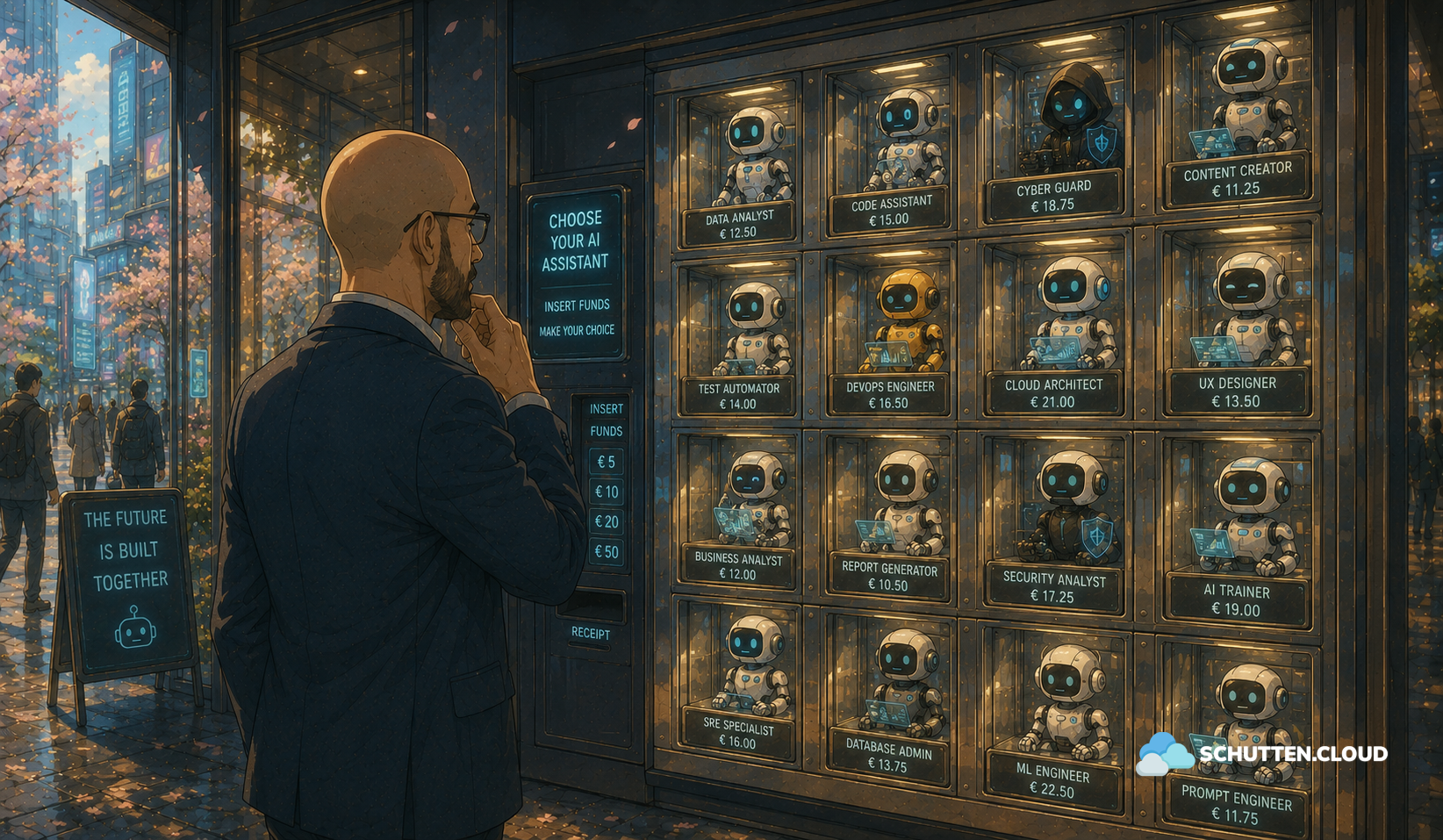
Technology leaders today face a very difficult choice. On one hand, company executives want to see clear financial results from artificial intelligence investments. On the other hand, using automated AI tools introduces safety and security risks that older systems never had. To handle this successfully, companies must move away from simple testing and focus on clear rules, cost control, and practical learning. Higher pressure on budgets and financial results For a few years, many companies spent money on AI just to see what it could do. Today, that period of open spending is over because business leaders want to see real value. While many companies are still spending more money on technology, only a small number expect to get fast returns on their AI investments. This gap between spending and real results puts a lot of pressure on technology directors. To solve this, successful companies are changing their approach in three main ways:Focusing on clear tasks: Leaders are stopping general pilot projects that have no clear goals and are choosing tasks where results are easy to measure. Setting goals before starting: Good teams decide on clear targets before launching a project, so they can prove the financial benefits later. Managing hidden costs: Using AI models too much, paying high usage fees, and running uncontrolled software tools can quickly become too expensive.The hidden risks of automated software tools The step from standard AI models to automated AI agents creates new risks for companies. Standard tools just answer questions, but automated agents can run code, change databases, and complete complex actions across different systems by themselves. If these systems operate without strict rules, they can make unexpected mistakes, like accidentally deleting important company databases. At the same time, many employees are using unapproved AI tools on their own. Workers in different departments often use personal accounts or free online tools to do their jobs faster. While this can save time, it can also leak private company information and create serious security problems. Changing safety rules from yearly checks to daily monitoring Old ways of managing software risks, such as checking rules once a year, do not work for fast AI systems. Because automated tools work continuously and very quickly, security plans must adapt to monitor them all the time. To keep systems safe without stopping work, technology managers should follow a clear plan:Limiting system access: Automated tools should never have full access to everything; their permissions must match the exact task they are doing. Creating strong central rules: Instead of changing safety settings for every new tool, create one strong system that decides what data can be used and when a human must check the work. Keeping complete activity logs: Every action taken by an automated tool must be saved in a list so managers know what happened and why.** Giving clear responsibility to staff: Set up mixed teams and clear ownership so that technology, legal rules, and business goals work together.Helping employees learn and adapt As software work becomes more automated, companies face a new human problem. Younger workers and junior developers who rely too much on AI tools might not learn basic building skills. If they do not learn from real mistakes, it becomes hard for them to notice when an AI system gives a wrong answer. To fix this problem, business leaders need to build a learning culture. Experienced staff members should guide younger workers, encourage open discussions about technical issues, and check AI outputs carefully. Good training across the whole business helps everyone understand both the power and the limits of these new tools Closing thoughts Navigating the complex world of modern technology requires both fast innovation and careful control. Successful leaders will not be the ones who buy every new tool, but those who build clear safety rules, manage spending carefully, and stay responsible for their automated systems. True progress in technology happens when we combine speed with total responsibility.
- Rolf Schutten
- 19 Aug, 2026
Why saying 'no' is the only sustainable choice
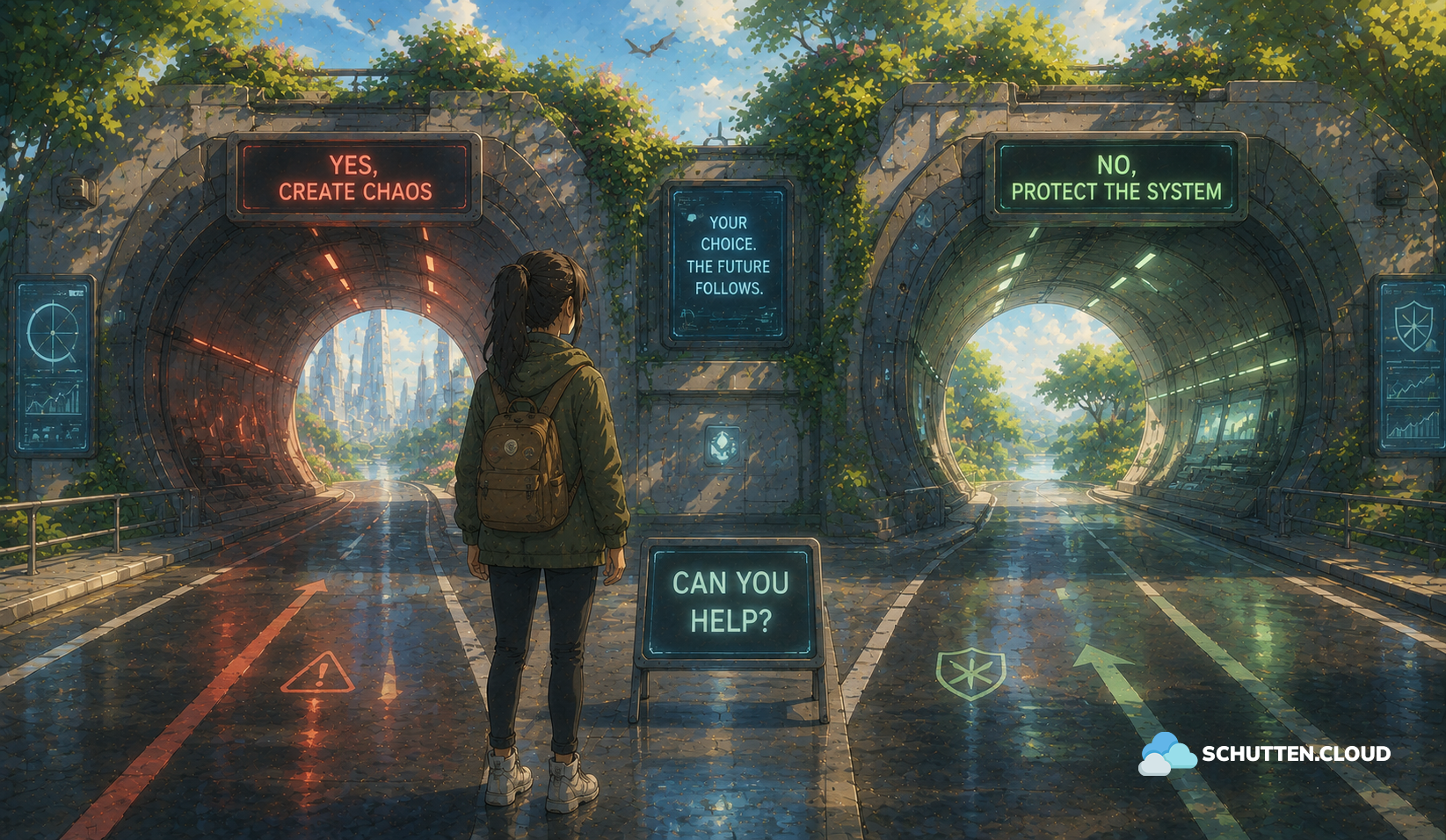
Many operational leaders recognize this scenario: you return from vacation and discover that important decisions were made informally over coffee. Official rules were ignored, and there is no proper handover. Suddenly, an urgent executive presentation lands on your desk with a 48-hour deadline. Your first instinct is likely to work overtime and clean up the mess. It feels helpful, useful, and necessary. However, stepping in to fix everything is the worst thing you can do. Leadership expert Bas Kodden explains in his book The Devil Inside that you end up sabotaging yourself and your organization. When you solve problems caused by poor leadership, you hide the real damage of broken agreements and keep the chaos alive. To build a healthy organization, you must face the truth: you have to stop helping. The trap of self-sabotage Why is it so hard to say "no"? Why is our default reaction always a stressed "yes"? It comes down to internal "saboteurs" or emotional triggers:Fear: Fear of conflict, fear of appearing unhelpful, or fear that everything will fall apart if you do not step in. Empathy: Excessive sympathy for desperate colleagues, which causes you to take on their pressure and stress. Ego: The desire to be the hero who saves the day, or the fear of feeling guilty.Because of these triggers, we constantly compensate for broken processes. True leadership starts with self-leadership: leading yourself first. You need to reflect on these emotional traps and stop making excuses for poor planning. Why "no" is the most sustainable choice Saying "no" to artificial urgency is not selfish or unhelpful. It is the most sustainable choice for your team and organization. When you decline an unplanned request, three positive things happen:The problem stays with the owner: The person who ignored rules or failed to plan feels the direct consequences, which encourages better behavior next time. You protect your team: You save your team's energy and capacity for planned operational goals. Governance is restored: Declining informal requests forces managers to use official decision-making channels.7 Rules for operational boundaries Saying "no" requires self-control. Use these seven practical rules to evaluate last-minute requests:No goal means "no": If the request does not directly support agreed goals, it is not a priority. Urgent is not always important: Someone else's panic usually means poor planning. Do not make it your problem. Look at hidden costs: Every extra task takes time. Ask yourself: Which important goal must I sacrifice for this? Saying "yes" to chaos means saying "no" to strategy: Time is limited. Last-minute work always hurts the quality of your core duties. Take time to pause: Stop reacting automatically. Take a moment to think before giving a clear answer. Let your calendar decide: If the task does not fit into your schedule, the calendar makes the decision for you. Demand context first: Ask for the business objective and proper approval. Often, you will find the request was not necessary after all.Closing thoughts An organization cannot grow on heroic acts, overtime, and personal favors. Sustainable success comes from clear agreements, structured roles, and respect for operational boundaries. Once you learn to manage fear, ego, and excessive empathy, you realize that saying "no" is not a rejection—it is professional respect. It forces the organization to mature and protect its own systems. Stop helping. Start protecting the system. Saying "no" to artificial chaos is the most sustainable choice you can make.

- Rolf Schutten
- 04 Aug, 2026
The end of the traditional org chart: Why the future of work is AI-by-design
If you look at how most companies are adopting AI today, you will notice a strange paradox. On one hand, leadership teams are spending millions on enterprise software, Copilot licenses, and prompt engineering bootcamps. On the other hand, the actual structure of the organization remains completely untouched. We are handing exponential technology to teams that are still arranged in rigid, 20th-century hierarchies. We are using revolutionary tools to do the exact same work, just ten percent faster. That is not transformation. That is just expensive optimization. Real competitive advantage in the coming decade will not come from adopting the latest AI models. It will come from having the courage to tear down legacy operating models and build an organization that is AI-by-design. The law of inevitable automation To build a future-proof company, you have to start with a realistic premise: if a workflow can be fully automated without losing strategic quality, it eventually will be. Roy Amara, the late scientist and president of the Institute for the Future, formulated what we now know as Amara’s Law: we tend to overestimate the effect of a technology in the short run and underestimate the effect in the long run. Right now, many executives view AI as a glorified copywriting tool or a faster search engine. That is short-term thinking. In an AI-first operating model, routine operational execution is handed over to specialized software agents. Customer support touchpoints, routine software engineering, data ingestion, and first-line administrative workflows will be 80% automated. Not to remove humanity from business, but because autonomous agents offer a level of speed, precision, and scalability that human effort simply cannot match. The emergence of the human "Orchestrator" When execution shifts to algorithms, the role of the human employee doesn't disappear—it ascends. We are moving away from the era of the human task-executor and entering the era of the AI Orchestration Leader. Instead of managing five humans who manually crunch numbers or handle support tickets, a single professional will direct, monitor, and refine a squad of specialized autonomous agents. Wharton professor Ethan Mollick describes this as working alongside a digital "co-intelligence." In this new dynamic, the manager functions less like an administrator and more like a conductor of an orchestra. The human remains strictly in charge of three non-negotiable domains:Strategic Context: Defining the goal, setting the parameters, and telling the agents why a task matters. Ethical Guardrails: Ensuring the automated outputs align with human values, legal standards, and societal impact. Quality & Nuance: Acting as the ultimate editorial filter before decisions impact real customers or stakeholders.What an AI-by-design company actually looks like If you were to start a business from scratch today, unburdened by legacy department silos, your operating model would look fundamentally different:Micro-Teams with Macro-Leverage: Small, interdisciplinary teams leveraging autonomous agentic workflows will achieve the output that previously required entire business units. OpenAI CEO Sam Altman has openly speculated about the imminent rise of a "one-person billion-dollar company." The exact valuation doesn't matter; the message does. Individual human leverage is reaching unprecedented levels. Intentional Human Interaction: When transactional work is automated, real human interaction becomes a high-value asset. Complex negotiations, deep empathetic client care, creative vision, and organizational culture become the areas where human presence is fiercely protected. Fluid Structural Architectures: Instead of static departmental walls (Marketing vs. Sales vs. IT), work flows dynamically around project-based AI infrastructure managed by high-leverage generalists.Rethinking the architectural foundation Philosopher Karl Popper famously argued that progress requires us to relentlessly challenge our existing assumptions rather than defending past dogmas. Our current organizational charts are dogmas built for a world where humans were the primary processors of routine information. That world is gone. Inundating an old, bureaucratic hierarchy with AI tools will not make it agile. It will only accelerate its inefficiency. The true leadership challenge of our time is not learning how to write better prompts—it is having the vision to redesign the system itself. Closing thought Technology is shifting from a tool we use to an infrastructure we work alongside. If your organization is merely using AI to speed up old habits, you are missing the point. The future belongs to those who stop trying to fit modern intelligence into legacy structures, and start building organizations where software handles the execution, so humans can focus on vision, ethics, and genuine connection. Stop automating old workflows. Start designing the new organization.